
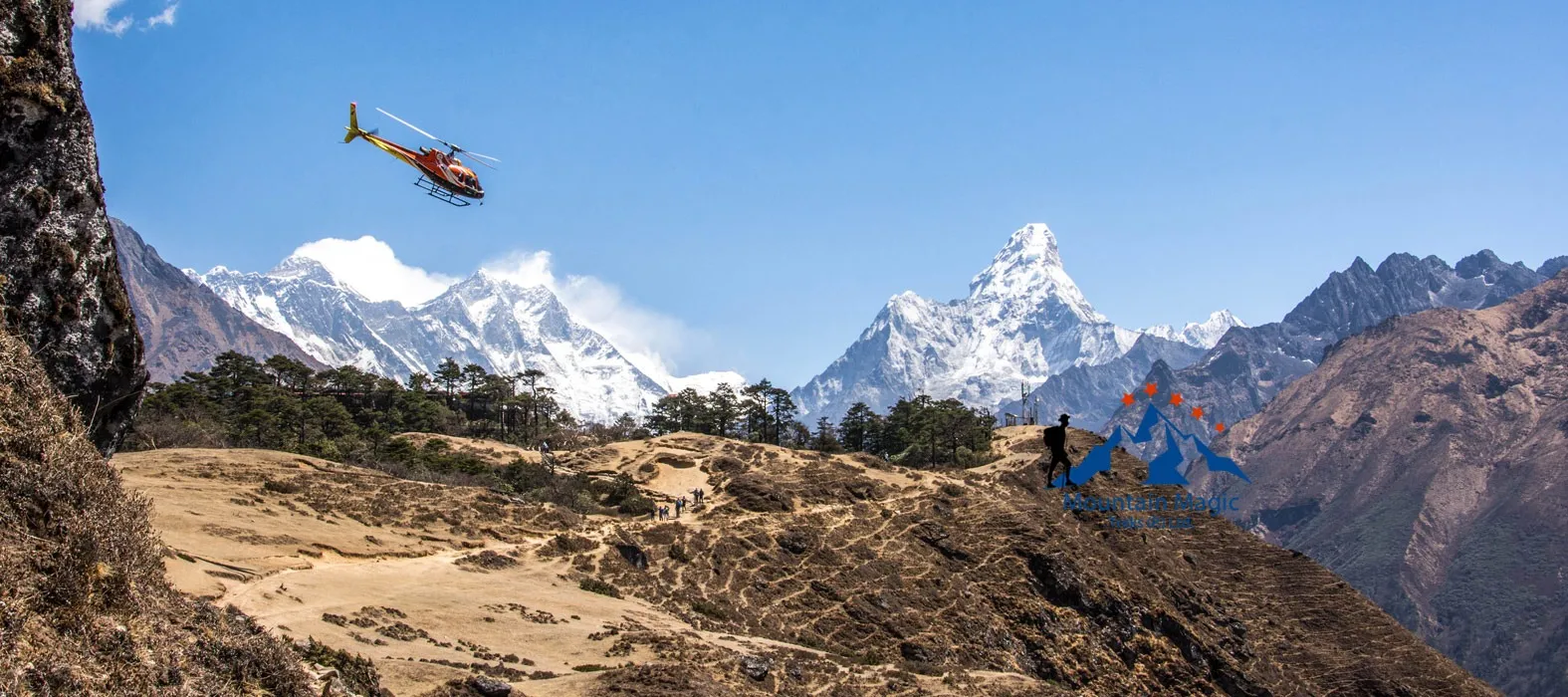
Weather conditions can change quickly in the Everest region. A clear morning in one village does not guarantee good conditions at a higher settlement later in the day. Differences in elevation, wind, cloud cover, and temperature can create very different conditions across a relatively short distance.
For trekkers, weather information helps guides decide when to begin walking, how to approach exposed sections, and whether a planned activity needs adjustment. It is also important for helicopter operators, who must assess visibility, wind, and other flight conditions before departure.
The Everest Base Camp Trek with Helicopter Return passes through several mountain settlements before reaching Gorakshep. Understanding how local weather information supports these decisions gives travelers a clearer picture of how the journey is managed.
Why One Weather Forecast Is Not Enough
A general forecast provides useful information, but mountain conditions are not always the same across an entire valley.
Elevation Creates Different Weather Conditions
Kathmandu, Lukla, Namche Bazaar, Dingboche, and Gorakshep sit at very different elevations. Temperature and atmospheric conditions can change as the route climbs.
A forecast for Kathmandu cannot reliably describe the conditions around Gorakshep. Local observations and location-specific forecasts are more useful for planning activities at higher elevations.
Mountain Terrain Influences Wind and Clouds
Ridges, valleys, and mountain slopes affect how air moves through the region. Clouds may gather around one section while another remains relatively clear.
This is one reason guides and operators consider conditions along the actual route instead of depending on a single weather report.
What Weather Information Is Useful to Trekkers?
Several weather details can influence the daily walking plan. Understanding the basic terms helps travelers follow updates from their guides.
Temperature and Wind Chill
Temperature describes how warm or cold the air is. Wind can make exposed skin lose heat faster, creating a colder sensation than the thermometer reading alone suggests.
Guides may consider both temperature and wind when deciding how much protection trekkers need for an exposed section.
Cloud Cover and Visibility
Cloud cover describes how much of the sky is covered by clouds. Visibility refers to how far a person can see through the atmosphere.
Poor visibility can make it harder to identify distant landmarks and may affect helicopter operations. It can also change the experience of walking through open mountain areas.
Precipitation and Snowfall
Rain and snowfall can affect the condition of paths, especially at higher elevations where temperatures are lower.
Recent precipitation may also influence the following day’s walking conditions. Guides can use these details when considering the route and expected travel time.
How Guides Use Weather Updates Along the Trek
Weather information is useful when it is combined with direct observation and local knowledge.
Checking Conditions Before Departure
Guides may review available forecasts and local reports before the group leaves a settlement. They can also observe the sky, wind, temperature, and conditions on nearby slopes.
This helps them decide whether the planned departure time remains suitable or whether the group needs a different approach.
Comparing Forecasts With Actual Conditions
Forecasts are predictions, not guarantees. Conditions may develop differently from what was expected.
A guide may adjust the day’s plan if cloud cover increases, snowfall begins, or wind becomes stronger than anticipated. Travelers should understand that changing the plan can be a responsible safety decision rather than a sign of poor organization.
Weather Planning for Important Route Sections
Different parts of the itinerary present different planning needs.
Lukla and the Lower Khumbu
The journey begins around Lukla before continuing toward Phakding and Namche Bazaar. Weather can affect visibility and travel arrangements in this region.
The walking route also passes through river valleys and forested sections, where local conditions may differ from those on exposed slopes farther uphill.
Dingboche and Lobuche
As the trail reaches Dingboche and continues toward Lobuche, the landscape becomes more open and exposed.
Wind and temperature become important considerations, particularly during colder periods. Recent snowfall or poor visibility may require adjustments to the day’s walking arrangements.
Gorakshep and the Return Flight
Gorakshep is the final settlement on the standard trekking route before the helicopter return. Conditions here are especially important because the flight takes place at high elevation.
The operator must assess current weather and aircraft performance requirements before approving departure.
Why Helicopter Weather Checks Are Different
Helicopter operations require specific aviation assessments. A weather report that looks acceptable for walking does not automatically mean that an aircraft can operate safely.
Visibility and Cloud Conditions
Pilots need suitable visibility and must operate within the applicable aviation rules and limits. Low clouds, fog, and poor visibility can make a flight unsuitable.
Conditions may also differ between the departure area and the destination. Operators consider the route and landing locations, not just the weather at one point.
Wind and Aircraft Performance
Strong or changing winds can affect helicopter operations. At high elevations, aircraft performance also depends on air density, temperature, aircraft condition, and the planned load.
These factors are assessed by the operator and flight crew. Passengers should not assume that a flight will operate simply because the weather appears clear from the lodge.
What Happens When Weather Changes the Schedule?
Mountain travel requires flexibility. A planned activity may need to be delayed or adjusted when conditions are unsuitable.
Walking Plans May Be Adjusted
A guide may recommend waiting, changing the departure time, or modifying the day’s route when weather creates a safety concern.
Trekkers should follow these decisions instead of trying to maintain the original schedule at any cost.
Helicopter Departure May Be Delayed
If visibility, wind, or other operating conditions are unsuitable, the helicopter may not depart as planned. The operator may wait for conditions to improve or arrange another approved plan.
The Everest Base Camp Trek with Helicopter Return includes a helicopter return arrangement, but a specific departure time cannot be guaranteed regardless of weather.
Keep International Travel Plans Flexible
Avoid arranging an international flight immediately after the expected helicopter arrival without allowing enough time for delays and schedule changes.
A flexible onward travel plan reduces pressure on the trekking team and gives the operator more room to prioritize safe flight conditions.
How Travelers Can Follow Weather Information
Trekkers do not need to become weather experts. A few simple habits can help them understand updates and prepare for the day.
-
Ask the guide about the expected conditions before departure.
-
Understand the difference between a forecast and an actual observation.
-
Pay attention to warnings about wind, visibility, and snowfall.
-
Keep suitable clothing available when conditions may change.
-
Follow instructions if the guide changes the plan.
-
Avoid making independent flight or route decisions based on a phone application.
Weather applications can provide useful background information, but they may not show the exact conditions at a remote landing area or on a particular trail section.
Final Thoughts
Weather information plays an important role in planning travel through the Everest region. Elevation, terrain, wind, cloud cover, and precipitation can create different conditions between settlements and along the same route.
The Everest Base Camp Trek with Helicopter Return depends on both safe trekking decisions and suitable helicopter operating conditions. Local observations, reliable forecasts, and professional judgment help guides and operators make informed choices.
Travelers should treat schedule changes as part of responsible mountain planning. Reaching a destination on time is never more important than choosing safe conditions for the journey.
Frequently Asked Questions
1. Is the weather the same in Kathmandu and Gorakshep?
No. The locations have very different elevations and terrain. Their temperatures, cloud cover, wind, and precipitation can differ considerably.
2. Can a weather application predict exact conditions on the trail?
No. Applications provide estimates based on available forecast models. Local conditions may differ, particularly in complex mountain terrain.
3. Why can a helicopter flight be delayed when the sky looks clear?
Wind, visibility along the flight route, landing conditions, aircraft performance, and aviation requirements can all affect whether a flight is approved.
4. Who decides whether a helicopter can depart?
The flight crew and operator make operational decisions based on current conditions, aircraft requirements, and applicable aviation rules.
5. Should I allow extra time after the trek before my international flight?
Yes. Weather and operational delays can affect the helicopter return schedule. Allowing a buffer before onward international travel is a sensible precaution.